
Life After Menopause: What Actually Changes Once Periods Stop
Periods have stopped — now what? Discover what really changes after menopause, from bone and heart health to mood, and how to feel your best in this new stage.
For most of your life, your period has been the one constant — annoying, sometimes painful, but predictable. Then one day, it simply stops. No warning, no goodbye. And once a full year passes without it, you've officially entered postmenopause — the stage that lasts for the rest of your life.
Here's what nobody tells you: menopause isn't really the finish line. It's the starting point of a whole new chapter in your body, and understanding what changes — and why — can make that chapter feel a lot less frightening.
What "Postmenopause" Actually Means
Doctors don't call you postmenopausal the moment your period skips a month. You're considered postmenopausal only after 12 consecutive months without any bleeding, including spotting. Before that, you're in perimenopause — the bumpy transition years marked by irregular cycles, hot flashes, and mood swings.
In India, this transition tends to arrive earlier than in the West. The average age of menopause here is around 46.2 years, nearly five years earlier than the global average of 51 (Indian Menopause Society data). That means Indian women often spend a longer stretch of life in the postmenopausal stage — which makes understanding it even more important.
The Real Changes That Happen After Periods Stop
1. Your Hormones Settle — But Don't Disappear Overnight
Estrogen and progesterone don't switch off like a light. They decline gradually, and even after your last period, your body is still adjusting to a new, much lower hormonal baseline. This is why some symptoms — hot flashes, night sweats, sleep trouble — can continue for years after your final period, not just during perimenopause. Research shows hot flashes alone can linger for an average of 7 to 10 years for many women (HealthCentral, 2026).
2. Bone Health Needs Real Attention
This is one of the most under-discussed changes. Estrogen protects your bones, so once it drops, bone loss speeds up — some women lose up to 20% of their bone density in just the first five years after menopause (Baystate Health). In India, the numbers are striking: between 35–40% of women aged 40–65 already show signs of osteopenia, and postmenopausal fractures tend to occur 10–20 years earlier than in Western populations. A simple habit like adding calcium-rich food, vitamin D, and weight-bearing exercise (walking, yoga, light strength training) can make a genuine difference here.
3. Your Heart Needs a Second Look
Estrogen has been quietly protecting your heart for decades — keeping "bad" cholesterol in check and supporting healthy blood vessels. Once it drops, that protection fades. Studies show postmenopausal women face a 1.5 to 2 times higher risk of cardiovascular disease compared to premenopausal women, and heart disease remains a leading cause of death among Indian women over 45. This doesn't mean something is wrong with you — it means your annual check-ups (blood pressure, cholesterol, sugar) matter more than ever now.
4. Vaginal and Urinary Changes Are Common — and Treatable
Nearly half of postmenopausal women experience vaginal dryness or thinning of vaginal tissue, medically called vaginal atrophy, and 30–50% report some degree of urinary incontinence (Cleveland Clinic; SheThePeople health data). It can affect comfort, intimacy, and confidence — but it's one of the most treatable postmenopausal symptoms, through moisturisers, pelvic floor exercises, or medical options your gynaecologist can guide you through. There's no need to simply "live with it" quietly.
5. Mood, Sleep, and Mental Clarity Shift Too
Brain fog, irritability, and low mood don't automatically vanish once periods stop. Some women feel emotionally lighter and more like themselves again; others continue to feel low or anxious for a while longer, especially if sleep is disrupted by night sweats. This is real, hormonally influenced, and worth mentioning to a doctor rather than brushing off as "just getting older."
6. Weight and Metabolism Behave Differently
Many women notice weight settling around the belly rather than the hips after menopause. This isn't a willpower issue — lower estrogen changes how your body stores fat and processes sugar. Strength training and mindful eating tend to help more than restrictive dieting at this stage.
The One Thing That Changes for the Better
Here's the part that often gets lost in all the symptom talk: for many women, postmenopause brings real relief. No more period planning, no more PMS, no more pregnancy worry. Many women describe finally feeling like themselves again — steadier, calmer, and freer than they've felt in years. Life after menopause isn't only about managing risk. It's also about entering a stage where you finally get to prioritise you.
Key Takeaways
- Postmenopause begins after 12 full months without a period, and it lasts for life.
- Hot flashes and other symptoms can continue for years after your last period — this is normal.
- Bone density loss speeds up after menopause; calcium, vitamin D, and exercise matter now more than ever.
- Heart disease risk rises after menopause — regular check-ups are essential, not optional.
- Vaginal dryness and urinary changes are common and treatable — don't stay silent about them.
- Indian women reach menopause earlier on average (~46 years), making early awareness especially important.
- Many women also feel genuinely lighter and freer once the hormonal rollercoaster settles.
Frequently Asked Questions
For many women, symptoms like hot flashes can continue for 4 to 10 years after the final period, though the intensity usually reduces over time.
Yes, to some extent. Hormone levels take time to fully stabilise, and sleep disruption from night sweats can also affect mood. If it feels severe or persistent, it's worth discussing with a doctor.
Weight gain isn't inevitable, but the tendency to gain around the abdomen increases due to hormonal shifts. Strength training and a protein-rich diet can help manage this.
No. Once you've gone 12 consecutive months without a period, pregnancy is no longer possible naturally.
Current medical guidelines (including ACOG) confirm hormone therapy is safe and effective for many women when started near the time of menopause, but it should always be a personalised decision made with your doctor.
Research points to a mix of genetics, nutrition, and lifestyle factors, though studies are still exploring the exact causes.
References:
- Office on Women's Health, U.S. HHS — Menopause Basics
- National Institute on Aging, NIH — What Is Menopause?
- Cleveland Clinic — Postmenopause: Signs, Symptoms & What to Expect
- NHS Inform — After the Menopause
- Baystate Health — Life After Menopause: 4 Key Health Changes to Know About
- HealthCentral — What Signals the End of Menopause?
- SheThePeople — India's Menopause Challenge: Economic Case for Better Women's Healthcare
- PMC/NIH — Osteoporosis and Menopause in Indian Women
Keep Reading
Two more reads from the Journal, thoughtfully chosen to continue from here.
 Menopause
14 September 2026
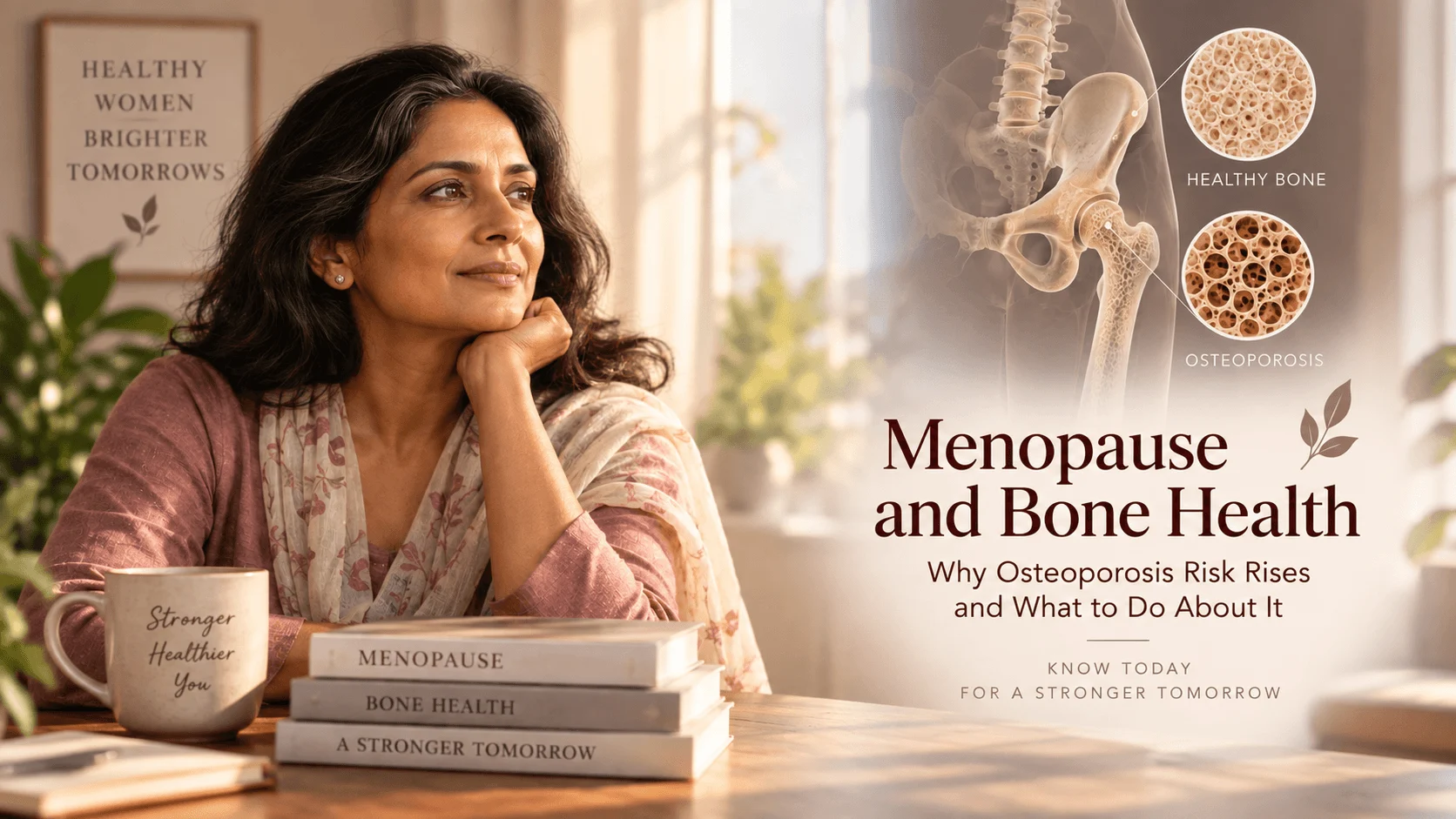
Menopause and Bone Health: Why Osteoporosis Risk Rises
Why does osteoporosis risk jump after menopause? The real science, Indian-specific risk factors, and what actually protects your bones.
Read more Perimenopause
16 September 2026
Perimenopause and Anxiety: Is It Hormones or Something Else?
New anxiety in your 40s? Learn the real hormonal mechanism behind perimenopausal anxiety — and how to tell it apart from an anxiety disorder.
Read more